
Table of Contents
TogglePiston Air Compressor Service Malaysia: Essential Step-by-Step Guide for Technicians
Introduction
In any busy Malaysian factory or workshop, piston air compressor service Malaysia is essential to prevent downtime and extend compressor life, the piston air compressor is a true workhorse. Whether you’re running a Fusheng, Swan, Puma, Jaguar, Clisby, or Hitachi, it runs day in and day out. But even the toughest machines need regular maintenance to prevent costly downtime and ensure a long, efficient lifespan.
This guide is for you—the technician on the ground. Whether you’re new to the job or just need a refresher, we’ll walk you through every essential service step to keep your compressor in top condition, regardless of the brand.
Tools and Parts for Piston Air Compressor Service Malaysia
Before you start, make sure you have the right tools and genuine parts on hand. Using the correct components prevents damage and ensures a perfect fit every time.
Tools:
- A good quality wrench and socket set
- Phillips and flat-head screwdrivers
- Clean, lint-free cloths
- An oil drain pan
Essential Parts:
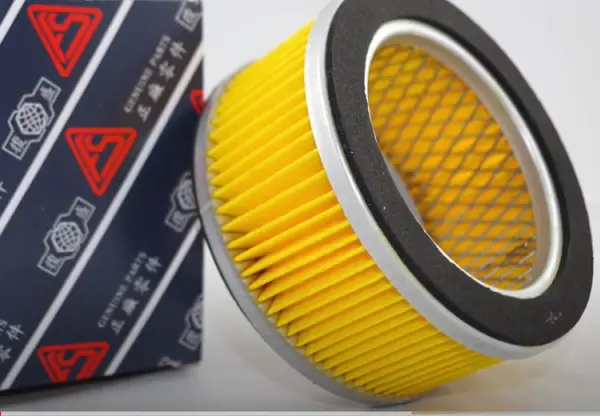
- High-Quality Air Filter Element: A clean filter is the key to efficiency.
- The Right Compressor Oil: Usually a non-detergent, single-viscosity oil (e.g., ISO 100) as specified in your user manual. Using the correct oil is critical.
- Spare Gaskets and Seals: It’s always good to have these on hand to prevent leaks after service.
Pro-Tip: Don’t have everything? Browse our complete range of Piston Air Compressor Service Malaysia Kits and Spare Parts here.

IMPORTANT: Pre-Service Safety Checks
Safety must always come first. Never skip these steps.
- Power Down: Turn the compressor off using the main switch.
- Isolate Power: Lock out and tag out the main electrical isolator to prevent anyone from accidentally turning it on.
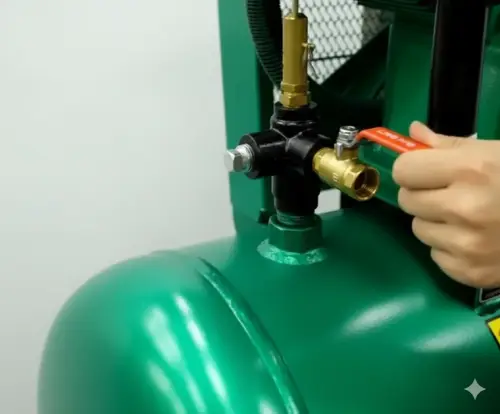
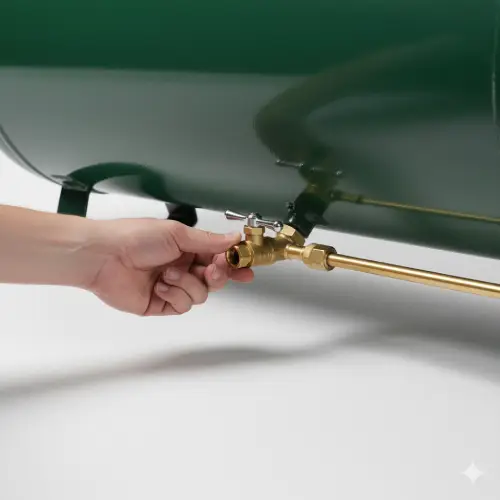
- Drain All Air: Open the drain valve on the air receiver tank and any connected lines to completely bleed all stored pressure. Wait until the pressure gauge reads zero.
- Cool Down: The compressor pump and motor can get very hot. Allow the unit to cool down for at least 30 minutes before starting any work.

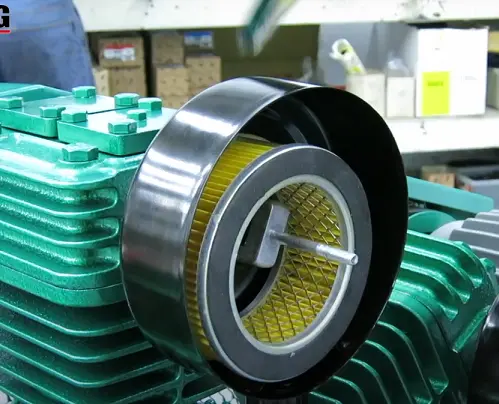
Step 1: Replace the Air Filter Element
Why this matters: The air filter stops dust and dirt from entering the compressor pump. A clogged filter suffocates your compressor, forcing it to work harder, use more electricity, and run hotter.
How to do it:
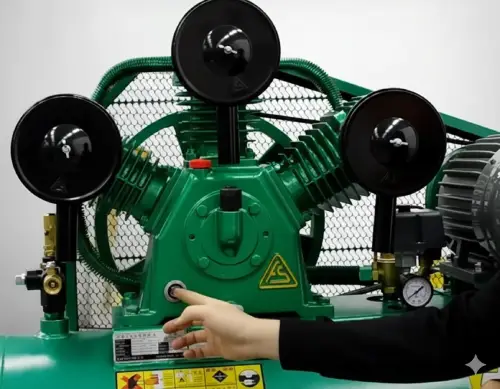
- Locate the air filter housing (it’s usually a black or metal canister on top of the compressor head).
- Unscrew or unclip the cover.
- Remove the old filter element. Take note of how much dust it has collected.
- Wipe the inside of the housing clean with a cloth.
- Insert the new, genuine filter element.
- Securely fasten the cover back on.
Pro-Tip: In dusty Malaysian environments, you might need to check the filter more often. A clean filter is the cheapest way to improve compressor efficiency. Shop for genuine Fusheng Air Filters here.
Step 2: Check and Change the Compressor Oil
Why this matters: Compressor oil lubricates, cools, and seals the pistons. Old, dirty oil causes overheating and rapid wear, leading to major failures.
How to do it:
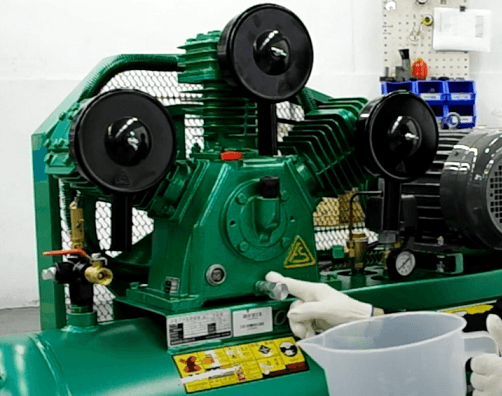
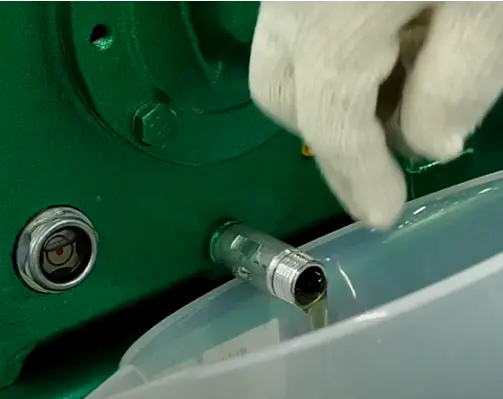
- Place a suitable drain pan under the oil drain plug.
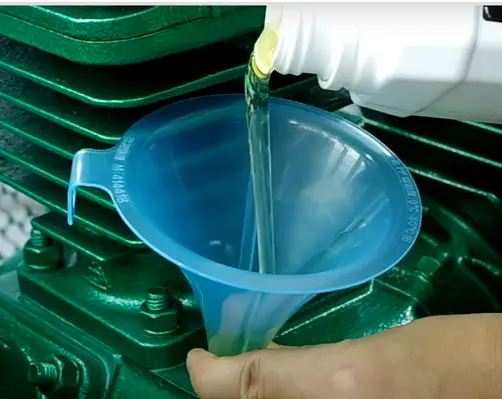
- Open the oil filler cap first (this helps the oil drain smoothly).
- Carefully open the drain valve or remove the drain plug.
- Allow all the old oil to drain out completely.
- Close the drain valve or securely replace the drain plug.
- Slowly refill the compressor with new, manufacturer-recommended oil.
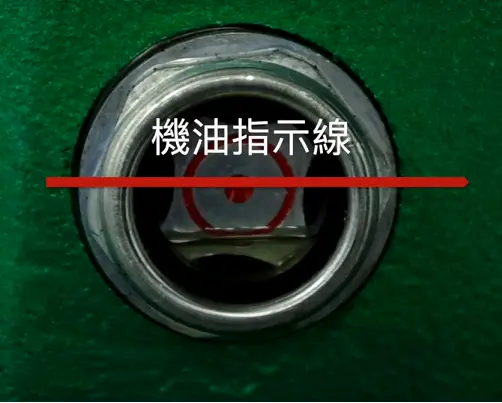
- Check the oil level using the sight glass on the crankcase. Fill it to the middle or three-quarters level (usually marked with a red dot). Do not overfill!
- Securely close the filler cap.
Need the right oil? Using standard vehicle engine oil can damage your compressor. Find the correct grade of Compressor Oil for your model here.
Step 3: Inspect Belts, Valves, and Switches
Why this matters: These components control the compressor’s operation and safety. A loose belt can slip and reduce performance, while a faulty valve can be a serious safety hazard.
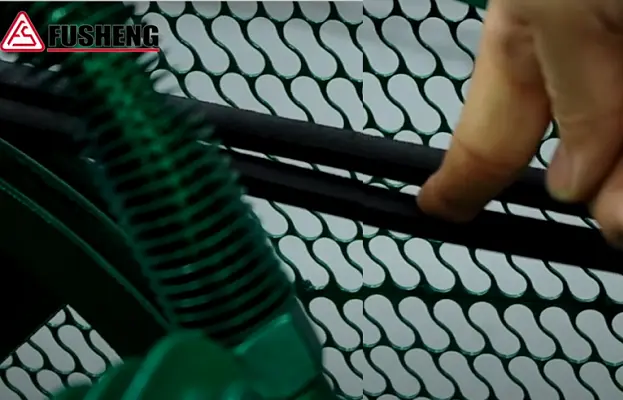
- Drive Belts: Check the tension of the belts. They should have a slight deflection (about 1 cm) when pressed firmly in the middle. If they are cracked, frayed, or loose, they need adjustment or replacement.
- Pressure Switch: This tells the compressor when to start and stop. Check that the connections are secure and free from debris.
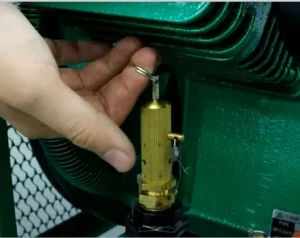
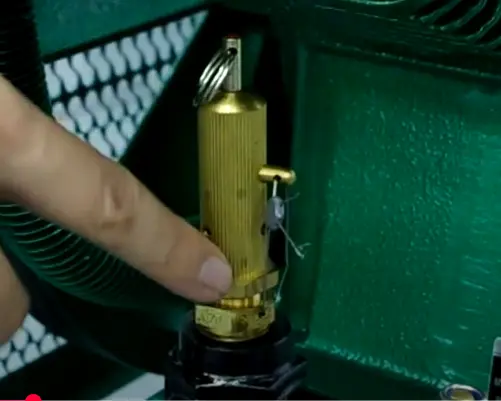
- Safety Valve: This is a critical safety device. With the compressor running, briefly and carefully pull the ring on the safety valve to ensure it releases air and doesn’t stick.
For a deeper dive, check out our dedicated guides:
- How to Adjust V-Belt Tension on an Air Compressor
- Understanding Your Compressor’s Pressure Switch
- Why the Safety Valve is Your Most Important Part
Step 4: Piston Air Compressor Service Malaysia - Final Cleaning & Checks
Why this matters: A clean compressor runs cooler and makes it easier to spot future problems like oil or air leaks.
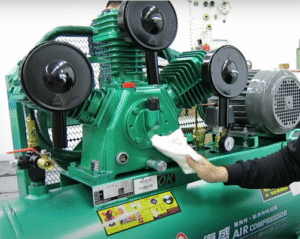
- Wipe Down: Use a cloth to wipe down the cooling fins on the pump, the motor, and the air receiver tank. Removing dust and oil grime significantly improves cooling.
- Check for Tightness: Check that all bolts, nuts, and fittings are secure. Vibrations can cause them to loosen over time.
- Test Run: Once everything is reassembled, turn the power back on. Let the compressor run for a few minutes and listen for any unusual noises. Check for air or oil leaks around the fittings and gaskets you’ve worked on.
Conclusion: Smart Maintenance for a Longer Life
Congratulations! By following these steps, you’ve done more than just service a machine—you’ve protected a vital asset for your factory.
Regular maintenance is the key to a reliable, long-lasting Fusheng piston compressor. It reduces unexpected breakdowns, lowers energy costs, and keeps your production line running smoothly.
Need parts for your next service? We’ve got you covered – Explore our full range of Piston Compressor Spare Parts for Fusheng, Swan, Puma, and more.
Ready for Your Next Service? We’re Here to Help!
Ready for Your Next Service? We’re Here to Help!
Ordering genuine parts shouldn’t be complicated. If you need a service kit, specific components, or just have a question, our team is ready to assist.